A Shelf of Their Own: Storing CBD Oils, Hemp Hearts and Balms in a British Kitchen
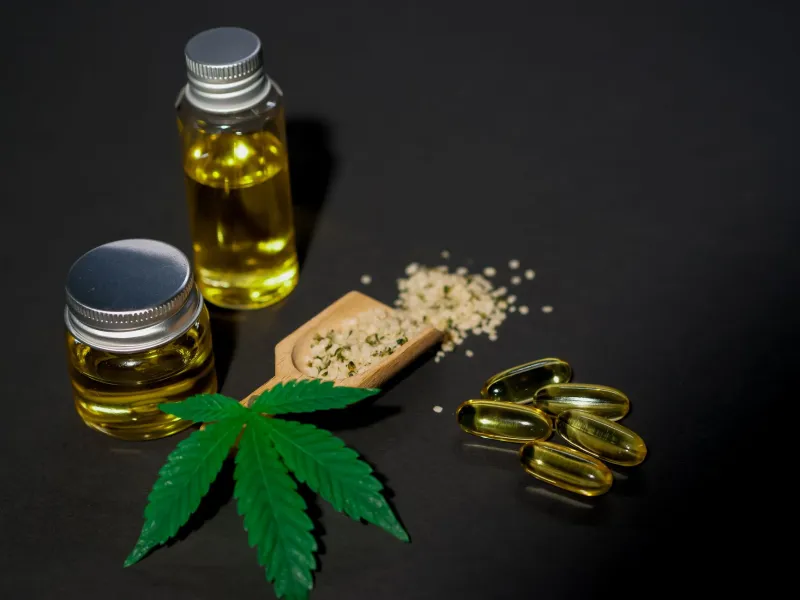
There’s a cupboard in most British kitchens that has become the default home for everything without a proper place: the open bag of hemp hearts, the bottle of CBD oil, the balm you bought in a moment of optimism. It’s usually above the kettle, beside the hob, or within reaching distance of the radiator. Convenient? Very. Ideal for hemp products? Less so.
This isn’t a scare story about your kitchen. It’s a storage audit. A few small changes to where things live can make your hemp and CBD purchases easier to use, easier to keep track of, and less likely to turn into a science experiment at the back of a shelf.
The trouble with the obvious shelf
Hemp products are not fragile in a dramatic way. They don’t need a vault. But they do have opinions about light, heat and moisture — and British kitchens serve up all three in generous portions.
Light is the one people forget. A clear bottle on a sunny windowsill might look tidy, but repeated exposure to daylight is not kind to oils. Heat is the second culprit. The shelf above the oven, the spot next to the toaster, the cupboard that shares a wall with the boiler — all of these run warmer than you think. Moisture is the third. Steam from the kettle, condensation on cold window glass, and the general dampness of a British winter can get into places you didn’t expect.
Most labels already give you the short version: cool, dark and dry. That’s not legal decoration. It’s a decent rule of thumb.
Kettles, radiators and the condensation problem
British winter is a proper storage stress test. One minute the kitchen is warm because the heating has clicked on; the next, the window is cold enough to fog up. A bottle that lives on the sill can spend December sweating. A bag of seeds left beside the kettle can pick up steam every time someone makes a brew.
If a product is somewhere you would not store a decent olive oil or a bar of chocolate, think twice. The cupboard above the kettle is a classic example: handy, warm and humid. The windowsill is another. So is the shelf right next to the radiator, even if it looks pleasingly uncluttered.
A better home is usually boring: an inside cupboard, away from the hob, the kettle and direct sun. Not glamorous, but effective.
The fridge: helpful, not compulsory
There are two myths worth clearing up. The first is that every hemp product must go in the fridge. The second is that the fridge is a magical freshness box that fixes all storage sins.
In reality, it depends on the product and the label. Many CBD oils are designed to live in a cool, dark cupboard. Putting them in the fridge is not automatically wrong, but it can make the oil thicker and it can invite condensation every time you take the bottle out. Freezing is a different matter — don’t do it unless the packaging specifically tells you to.
Hemp hearts and seeds are often happier in the fridge or freezer once opened, especially if you buy in larger bags and use them slowly. Check the pack. Some are fine in a cool cupboard; others will stay fresher for longer in the fridge. The key is to keep them dry and sealed.
Balms are the ones most likely to be over-chilled. A balm that lives in the fridge can become hard and grainy, and the moment you bring it into a warm kitchen it may collect condensation. A cool cupboard is usually the kinder option. The bathroom windowsill is not.
Dates, smells and the honest label
Best-before dates are about quality, not safety. Use-by dates are about safety. Hemp foods and oils usually fall into the first camp, which means the date is a guide to peak freshness rather than a finish line you must never cross. That said, the date is not the only opinion in the room.
If an oil smells sharply different from when you opened it, or a bag of hemp hearts smells like old nuts or crayons, the date is not the deciding factor. Your nose and your common sense are. Write the date you opened the product on the pack with a marker. It takes five seconds and saves a lot of guessing later.
Labels matter here. If a product says store away from direct sunlight, believe it. If it says refrigerate after opening, do that. If it says nothing at all, a cool, dark cupboard is a sensible default.
A simple shelf-by-shelf plan
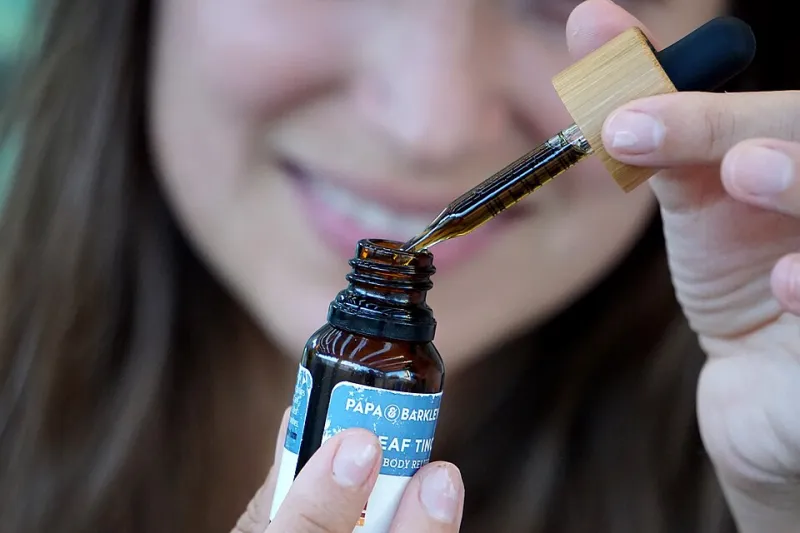
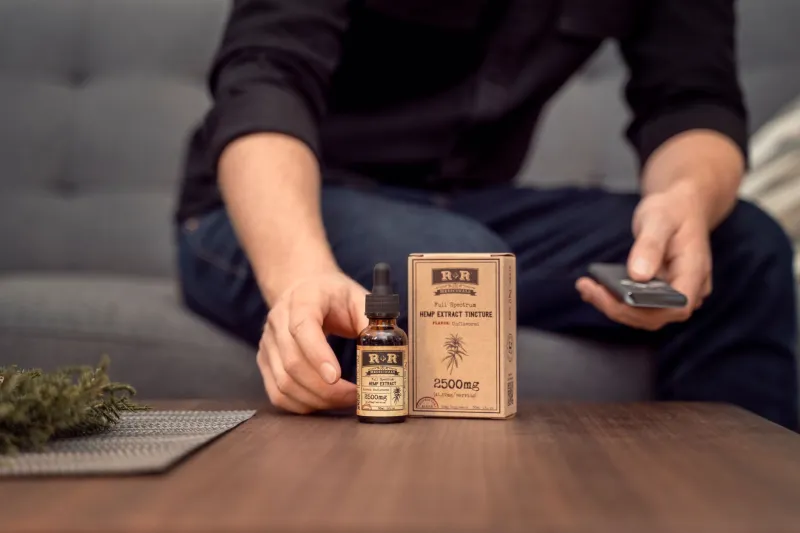
Oils: keep upright in a dark cupboard away from the hob, kettle and radiator. Tighten the lid properly. Write the opening date on the bottle. If the label says fridge, follow it; if not, a cool cupboard is fine.
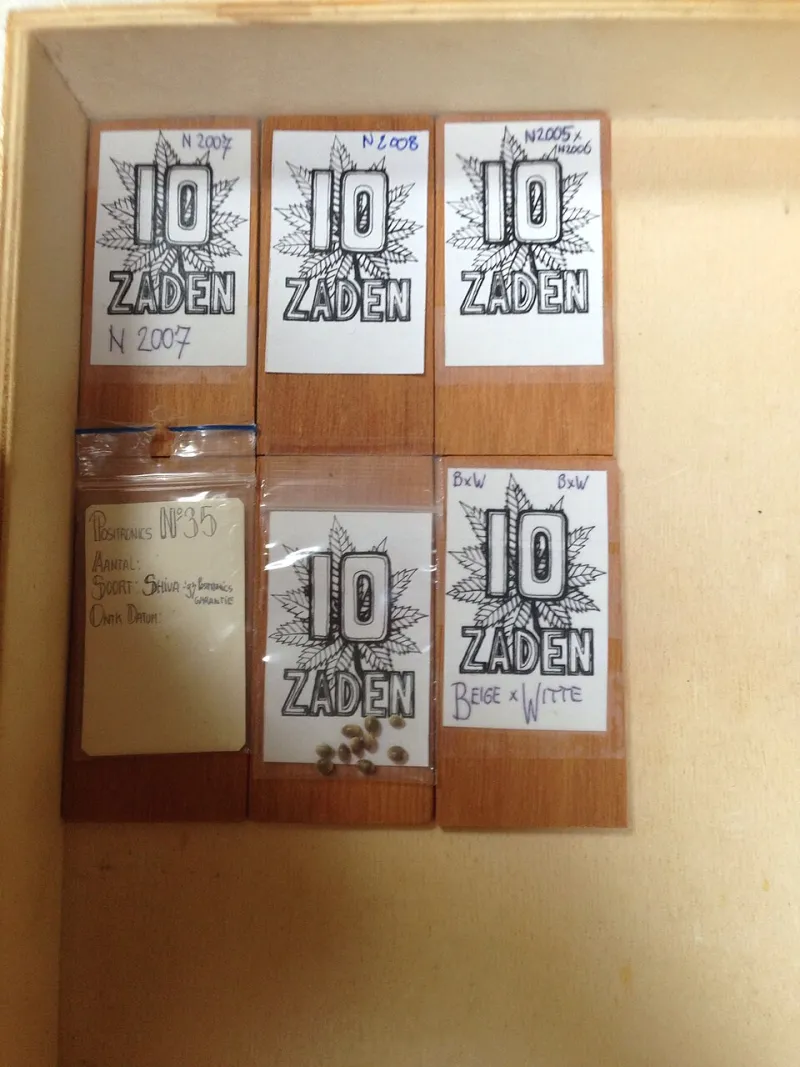
Hemp hearts and seeds: decant into an airtight container or keep the bag well sealed. Store in a cool, dark place, and move to the fridge after opening if the pack suggests it. Use a clean dry spoon, not a damp one.
Balms: keep in a cool cupboard, away from direct sun and bathroom humidity. Make sure the lid is clean and closed. If the texture changes dramatically, check the label and your storage spot before assuming the product is at fault.
The two-minute monthly check
Once a month, do a quick sweep. Are any bottles sitting in sunlight? Has anything migrated next to the radiator? Are there opened bags with the air let out but the top not sealed? Is there condensation inside a container? Is there a product with a date you have been ignoring since last winter?
This is not about being fussy. It’s about keeping the things you bought in decent condition and knowing what you actually have. A small kitchen does not need a specialist cupboard. It needs a few consistent habits.
Boring is fine
The best storage spot for most hemp and CBD products is deeply unexciting: dark, dry, stable and out of the way. Not the windowsill, not the shelf above the kettle, not the radiator top. If you would not store your cooking oil there, don’t store your CBD oil there either.
Give the bottles and bags a shelf of their own, keep an eye on the dates, and let the kitchen do what it does best. The products will be easier to find, easier to trust and far less likely to become another mystery at the back of the cupboard.