Before the Key Turns: CBD, Roadside Swabs and the UK Driver’s Reality Check

Photo: Mark Lowen, CC BY-SA 4.0, via Wikimedia Commons
There are few less appealing conversation starters than ‘I’ve taken CBD, officer.’ But for UK drivers who use hemp products, it is worth thinking about before the blue lights appear. Not because CBD is some sort of nightmare, but because the law and the reality of shop-bought products do not always line up as neatly as we might like.
This is not legal advice, and it is not medical advice. It is a sensible starting point for anyone who wants to use CBD responsibly and understand what could happen if they are stopped at the roadside.
First, the bit that matters: CBD is not a green light
In the UK, it is illegal to drive with certain controlled drugs in your body above specified limits. That includes THC, the main psychoactive compound in cannabis. The legal limit for THC in blood is very low: 2 micrograms per litre. That is not a lot. It is a threshold designed to catch people who have used cannabis, not a generous allowance for hemp wellness products.
CBD itself is not the same as THC. A good-quality CBD product should be made to minimise THC, and many UK shoppers deliberately choose broad-spectrum or isolate products for that reason. But ‘should’ is doing some heavy lifting in that sentence. Hemp plants naturally contain small amounts of THC, extraction methods vary, and batch-to-batch differences are real. A product described as ‘THC-free’ may mean below a lab’s reporting limit rather than absolutely zero in every conceivable sense.
That is why responsible CBD use starts with the label, not the slogan on the front of the bottle.
Why trace THC gets so much airtime
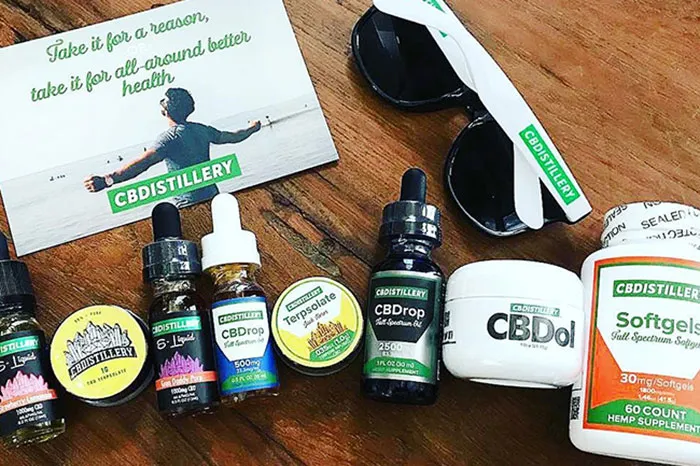
Full-spectrum products contain a wider range of plant compounds, including trace cannabinoids. Broad-spectrum products usually aim to remove THC while keeping other compounds. Isolates focus on CBD alone. None of these categories automatically makes a product legal or illegal for driving. What matters is what is actually in the bottle, at what level, and whether you can prove it.
A credible UK seller should be able to provide a batch-specific certificate of analysis, often called a COA. This is a lab report showing cannabinoid content, including THC where tested. It is not a magic shield, and it does not tell you how your body will process a product. But it is a far better guide than a vague promise that something is ‘pure’ or ‘natural’.
Natural does not mean risk-free. It also does not mean legally straightforward.
What actually happens at the roadside
Police can stop any vehicle, and if they suspect drug use they may use a roadside drug screening test. For cannabis, that often means a swab of the mouth. A positive roadside result is a screening result. It is not usually the final word. In many cases, the driver is arrested and taken for an evidential blood test, which is what the legal limit is measured against.
This is where calm matters. If you are stopped, be polite and cooperate. Arguing about lab results at the side of an A-road will not improve anyone’s day. If you use CBD, you can explain that plainly. You do not need to perform a chemistry lecture, but honesty is better than a story that falls apart at the station.
It is also worth knowing that refusing a roadside test can have its own consequences. The exact process depends on the circumstances and official guidance, which is why it is worth reading the government’s drug-driving information rather than relying on a forum post from someone’s cousin.
The timing question nobody can answer for you
Search online for ‘how long after CBD can I drive?’ and you will find confident answers. Three hours. Twelve hours. Seventy-two hours. A week. Most of them are guesses dressed up as rules.
There is no universal washout time. It depends on the product, the amount, how often you use it, your body, the lab method and a handful of other factors. A person using a high-strength full-spectrum oil every day is not in the same position as someone trying a low-strength isolate once. Even then, nobody can promise a neat cut-off point.
So the practical habit is simple: do not treat timing as a game of chicken with the legal limit. If you are uncertain about a product, or you have just started using it, do not assume you are fine to drive. If you are using any medicine, prescribed or otherwise, follow the official guidance and your healthcare professional’s advice. CBD should not be used to override common sense.
Label habits that do more than look responsible
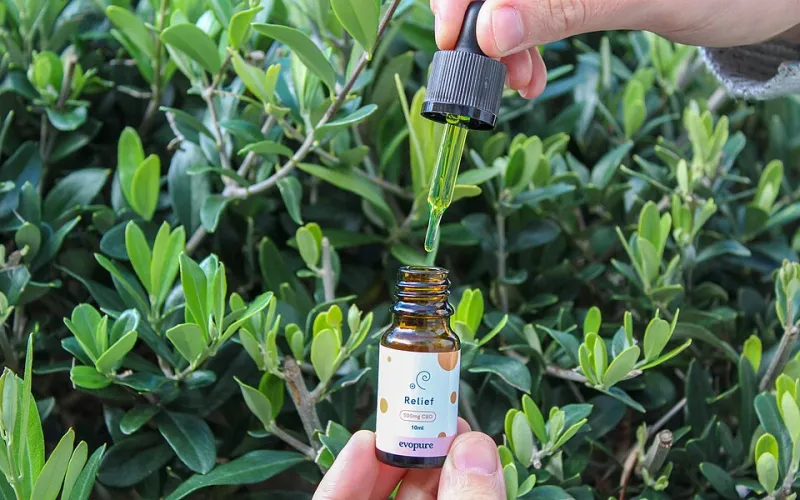
When you buy CBD, look for the batch number, the COA, the cannabinoid profile and clear serving guidance. Check whether THC is listed and at what level. Buy from a seller who is happy to answer questions, not one who vanishes behind a marketplace listing and a stock photo of a leaf.
Keep the packaging or a photo of the batch details. Not because it guarantees anything at the roadside, but because it is useful information if you ever need to explain what you use. A simple note on your phone – product name, strength, batch, when you started – is more helpful than trying to remember the small print months later.
And be wary of any product that promises a high or makes medical claims. CBD wellness products in the UK should not be sold as a way to get stoned, and they should not be presented as medicines unless they are licensed as such. If the marketing feels like a red flag, the label probably deserves extra scrutiny.
A sensible pre-drive routine
Keep it boring. Read the label before you buy. Start with a low-strength product if you are new to CBD. Avoid taking a new product just before a long drive. Do not mix CBD with alcohol and then get behind the wheel. If you are unsure whether a product contains THC, assume it might and make a different plan.
None of this is about living in fear of your own dropper. It is about separating wellness routines from driving decisions. CBD may fit into a calm evening routine, a post-work wind-down or a weekend habit. The driver’s seat is not the place to test how it affects you.
At NV Hemp, we would rather readers ask awkward label questions than learn about trace THC the hard way. Check official UK guidance, check the product documentation, and if in doubt, do not drive. That is not alarmism. It is just a decent habit to have before the key turns.