Bring the Bottle, Skip the Sermon: Talking CBD at the GP Without the Pitch
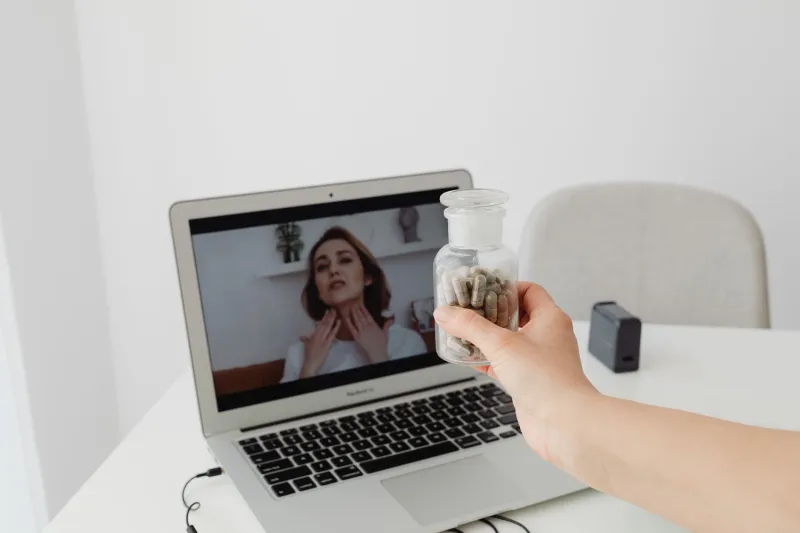
You have got ten minutes, a list of things you meant to mention, and a bottle of CBD oil in your bag. Raising it with your GP can feel oddly awkward — as if you are about to launch into a pitch for a brand they have never heard of. You are not. You are just keeping the record straight.
First, why bother mentioning it at all
This is not about asking permission. Your GP does not license CBD, and they are not going to sign off your evening routine. But they are building a picture of everything you take, and that picture is more useful when it is accurate. CBD sits alongside prescriptions, over-the-counter bits and pieces, and the occasional herbal tea. Leaving it out does not make the appointment simpler — it makes it less useful.
There is a practical edge here too. CBD can interact with some medicines, and while the research is still catching up, certain blood thinners, sedatives and epilepsy drugs are the ones worth flagging. You do not need to arrive with a pharmacology lecture. You just need to say what you take and let the GP do their job.
The one-page note that does the heavy lifting
Write it the night before. Four lines, no more:
- What it is: a full-spectrum CBD oil, 10%, with the label saying roughly 10mg of CBD per ml. You take a certain number of drops.
- When you take it: most nights, about half an hour before bed.
- Why you started: sleep, or winding down, or general stress — in plain words.
- What else you take: every prescription, every supplement, every painkiller you reach for without thinking.
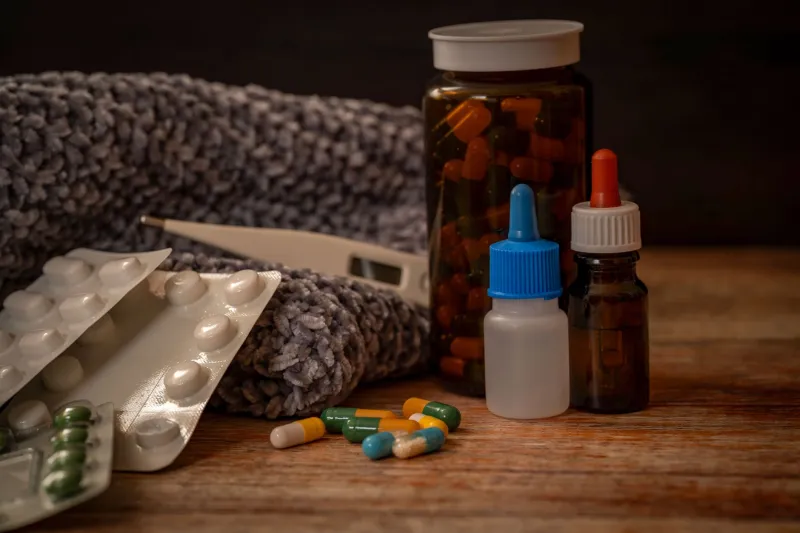
Bring the actual bottle, or a photo of the label. UK labels can be vague about CBD content per dose, so the batch number and the milligrams per ml are the genuinely useful bits. If you have a note on your phone from the last time you bought it, even better. The GP does not need the brand story. They need the numbers.
Describe the routine, not the result
This is the bit that trips people up. Saying “I take it for anxiety” sounds like a medical claim, and it invites a conversation you probably do not want to have. Saying “I take it in the evening as part of winding down — I find it helps me feel calmer, though I could not tell you exactly why” is honest, specific and gives the GP something to work with.
Avoid “it treats”, “it cures” and “it is natural so it must be safe”. Your GP has heard all three before lunch. The most useful thing you can do is separate what you do from what you think it does. “I take 20mg most nights. I am not sure how much it is doing, but my sleep has been a bit better since I started” is a sentence that lands well. It is also true.
The medicines bit — get specific
Bring the list, including the things you do not think of as medicine: ibuprofen, antihistamines, St John's wort (this one really matters, because it affects how the liver handles other drugs), and the contraceptive pill. Mention alcohol roughly — a couple of glasses at the weekend, or nothing at all. If you are on a medicine with a narrow therapeutic window, such as warfarin, thyroid medication or certain epilepsy drugs, say so clearly. That is where the conversation is genuinely worth having.
You are not expected to know the interaction tables. You are expected to turn up with the names. The GP and the pharmacist can do the rest.
If they ask whether it works
A good answer: “Honestly, I am not sure. I started it for sleep and I think it helps me switch off, but I would not bet the house on it. I just wanted you to know.” That is more useful than a leaflet, and it keeps you on the same side of the desk.
If they say the evidence is limited, agree with them — because it is. You are not there to win an argument. You are there to make sure the note on your file is not missing a piece.
The pharmacy version
The counter is often easier. “I am picking up my prescription — just so you know, I also take a CBD oil at night, about 20mg. Is there anything I should watch for?” That is it. Pharmacists are frequently better placed than GPs on interactions anyway, and they will not look at you as though you have grown a second head.
Things that make it awkward
- Handing over a printed article from a brand's website.
- Opening with “my friend's nutritionist said…”
- Getting defensive when they mention the limited evidence.
- Asking them to approve it, as if CBD needs a signature.
Afterwards
Note what they said. If they suggested pausing for a fortnight before a blood test or a procedure, do it — but ask why, so you understand the reasoning. If they said “fine, just do not overdo it”, take the win. Either way, the note in your phone is now accurate, and next time you can spend the ten minutes on something else.
The waiting room is not a sales floor. Bring the bottle, bring the honest answer, and skip the pitch.