The Saturday Morning Cool-Down: Where CBD Fits After a Parkrun (and Where It Doesn’t)

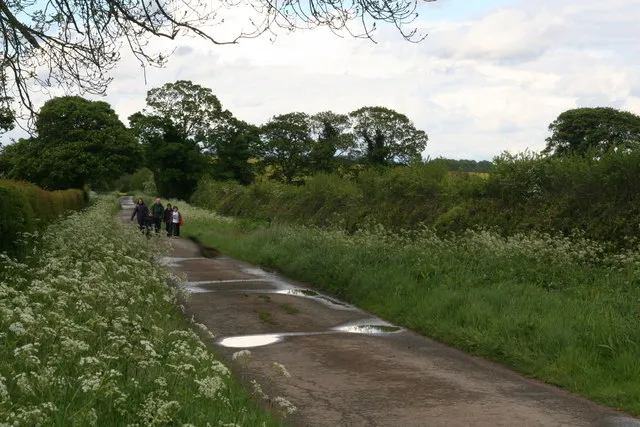
Photo: parkrun runners stretching calves after run UK park morning, via images.squarespace-cdn.com
There’s a particular sort of quiet after a parkrun. The finish funnel has emptied, someone is folding the gazebo, and a few people are stretching against a tree while pretending not to look at their watches. Your calves are tight, your breathing is settling, and by the time you reach the car park you’ve probably been offered at least one opinion about recovery.
That’s the moment this article is about. Not the race itself — the ordinary Saturday afterwards. The bit where you decide whether to buy a recovery drink, dig out an old foam roller, or reach for something hemp-related because it was on the shelf next to the protein bars.
CBD has become part of that conversation, especially for runners who like the idea of a natural wellness routine. But recovery is mostly boring, and that’s the useful starting point. A 5K does not require a supplement shopping spree. It requires food, fluids, sleep, and a bit of patience.
First, the unglamorous basics
Before any product enters the picture, the standard advice still applies. Drink something. Eat something with protein and carbohydrates. Walk for ten minutes rather than sitting straight down in the car. If your calves feel tight, gentle movement and time usually do more than a shelf full of bottles.
This matters because recovery products are easy to overthink. A Saturday parkrun is a lovely habit, but it isn’t the Tour de France. Most people finish, have a cuppa, and get on with their weekend. If you’re sore, that’s normal. If you’re injured, that’s a conversation for a physio or GP, not a CBD label.
Hemp and CBD products can sit alongside those basics. They shouldn’t replace them, and they shouldn’t be asked to do more than they can.
Hemp seed oil is not CBD oil
This is the first fork in the road, and it trips up plenty of shoppers. Hemp seed oil — sometimes called hemp oil — is a food oil pressed from hemp seeds. It’s nutritious, with fats and a mild, nutty flavour. It does not contain meaningful amounts of CBD.
CBD oil, by contrast, is made from hemp flowers and leaves and is sold as a supplement or wellness product. In the UK, CBD products are regulated as novel foods, and reputable sellers should be clear about what’s in the bottle.
So if you’re browsing after a run and see “hemp oil” on the label, check whether it’s actually a CBD product. They’re different categories, different products, and they belong in different parts of your routine. Hemp seed oil might go in a post-run smoothie. CBD oil is a dropper product with its own label, dose, and questions.
Topicals: for the skin, not the story
CBD topicals — balms, creams, salves — are popular with runners because they feel like a recovery product. You rub them into tight calves or tired shoulders, and the ritual itself is pleasant. That’s worth acknowledging. A warm shower, a bit of balm, and five quiet minutes can feel like recovery even if the product is doing little more than moisturising.
But keep the claims realistic. A topical is applied to the skin. It is not a muscle-repair switch. UK advertising rules are clear that CBD products shouldn’t make medical claims, and that includes implying a balm will fix an injury or speed up tissue repair. If a label promises miracle recovery, treat that as a reason to slow down, not speed up.
A sensible topical routine is simple: use it on clean, unbroken skin, patch-test first if you’re sensitive, and keep it away from eyes and any irritated areas. If your calves are genuinely painful or swollen, see a healthcare professional rather than layering on more balm.
Oral drops: optional, and worth questioning
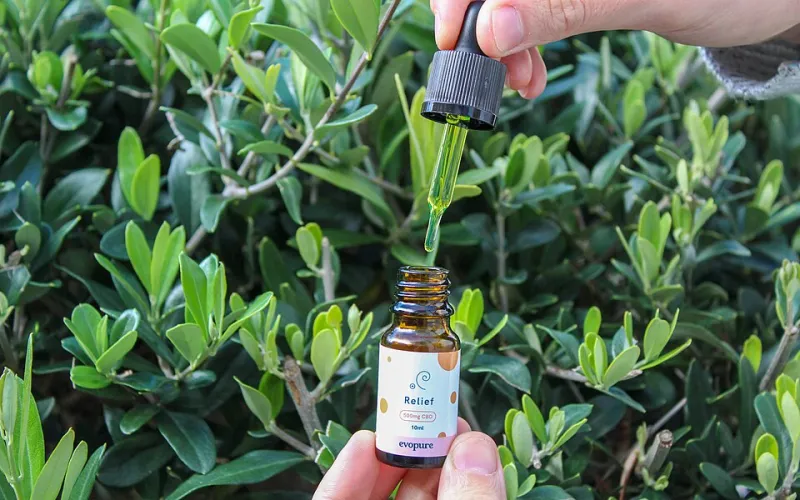
CBD drops are the product most people mean when they say “CBD”. They’re taken under the tongue or added to food or drink. Some runners like the idea of a post-run drop as part of a wind-down routine. Others don’t. Both are fine.
The important word is optional. CBD is not a recovery essential, and there’s no official dose that suits everyone. UK labels should give clear information about CBD content per drop or per ml, and reputable brands publish batch test results. If you’re new to it, start low and keep notes. A Saturday morning is not the time to try a big dose and then head out for a long walk.
Also remember that CBD products are not medicines. They shouldn’t be used to treat pain, inflammation, anxiety, or any other condition. If you’re taking medication, pregnant, breastfeeding, or unsure, ask a pharmacist or GP before adding a supplement.
Questions to ask before you buy
Whether you’re in a independent health shop or scrolling on your phone after a run, a few questions separate a sensible purchase from an impulse buy.
- Is this hemp seed oil or CBD oil? Check the ingredients and the CBD content per bottle.
- How much CBD is in each drop or serving? If the label is vague, walk away.
- Can I see a batch test? A Certificate of Analysis should show cannabinoid content and contaminants.
- Does the label make medical claims? In the UK, it shouldn’t. Calm, wellness-friendly language is one thing; promises to cure pain are another.
- Is the seller clear about the novel food status? CBD products sold in the UK should belong to a validated novel food application. Ask if you can’t tell.
- What’s the returns policy? A good shop will be straight with you, especially if you’re buying your first bottle.
The routine that makes sense
A realistic Saturday recovery routine looks like this: finish the run, cool down, drink water, eat breakfast, and get on with your day. If you enjoy a topical balm, use it. If you already use CBD drops and they fit your routine, keep the dose steady and don’t expect them to replace sleep or food. If you’re curious, buy small, ask questions, and give it a fair trial rather than judging it after one morning.
The parkrun finish line is not a starting gun for a supplement spree. It’s a nice way to start the weekend. Keep the recovery boring, keep the claims honest, and let any hemp or CBD product be a small, optional part of the picture — not the headline.