Seven Days, One Grey Commute: A CBD Routine Built for Actual British Weather
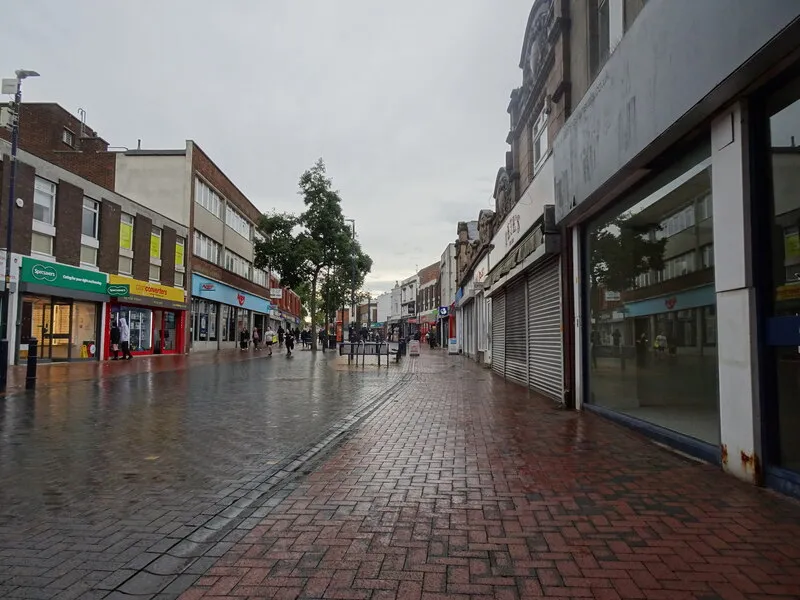
Photo: Gordon Griffiths , CC BY-SA 2.0, via Wikimedia Commons
Most CBD routines you read about seem to assume you live somewhere with a balcony and reliable sunshine. This one assumes you live here. Which means a brolly in the bag, a Met Office app you check with suspicion, and a Tuesday that looks exactly like Thursday.
The idea isn't to build a perfect regime. It's to build one that survives a wet walk to the station, a desk you don't leave until 6, and a weekend that gets rained off. Below is a realistic week — seven days, seven small decisions. Take what's useful, bin the rest.
Day 1 (Monday): the wet commute test
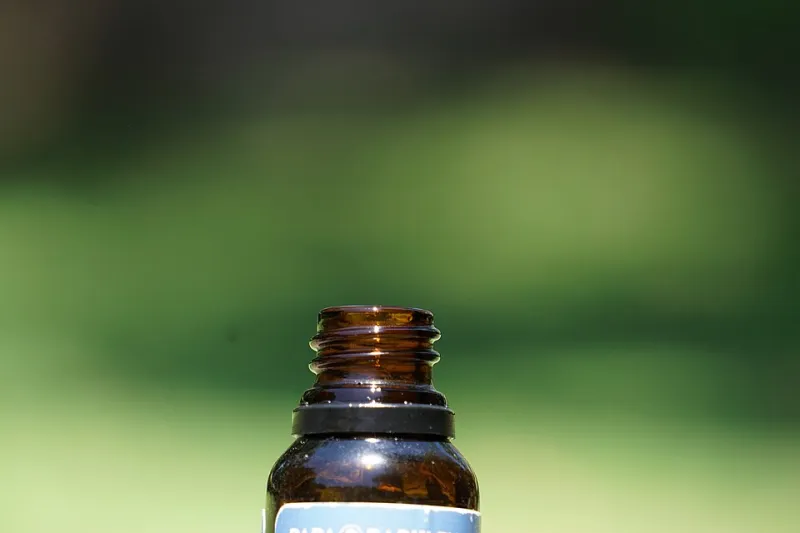
Monday is where most routines go to die, so keep it dull. If you're trying an oil, take it before you leave the house rather than in the middle of the Northern Line crush. A few drops under the tongue, held for 60–90 seconds, then a normal breakfast.
One practical note: don't take it and immediately chase it with a scalding tea. You'll lose most of it and gain a burnt tongue.
Dose note: if you've never used CBD, start low and stay there for a few days. A lot of UK products suggest something in the region of 10–20mg per day as a starting point, but labels vary wildly — read the bottle, not the internet. The point of week one isn't to feel something dramatic. It's to find out how you respond.
Day 2 (Tuesday): timing beats dosage
Here's the anti-hype part. Most people tinkering with CBD are fiddling with the wrong dial. They up the dose every three days and never change when they take it.
Try this instead: keep the amount identical to Monday and move it. Morning one day, early evening the next. Notice which sits better with your day. Some people find a morning dose fits neatly alongside a coffee; others prefer theirs once the laptop closes. There's no universal right answer — there's only your week.
Day 3 (Wednesday): the workout that didn't happen
You planned a run. It's horizontal rain. You did not run.
This is a good day to test the capsule or edible end of the shelf, if you have one, because the timing is more forgiving than an oil you have to remember to hold under your tongue. The trade-off is that edibles take considerably longer to come on — think an hour or more, sometimes longer on a full stomach. Which is exactly why you shouldn't take one and then, forty minutes later, decide it isn't working and take another.
Be patient with edibles or leave them alone. Those are the two sensible options.
Day 4 (Thursday): check the label before you reorder
By Thursday you'll know whether you like the product you've got. Before you buy another bottle, do the boring check: how many milligrams are actually in the bottle, how many drops make up a serving, and how long that bottle will last at your rate.
A 10ml bottle with 500mg sounds impressive until you work out that a 5% concentration means you need a fair few drops to hit a decent amount. Price per milligram is the only comparison that means anything. Our label decoder goes into this in more detail if you want the full breakdown.
Day 5 (Friday): the social evening
Pub night. Someone will ask what you're taking. You don't owe anyone a seminar.
A reasonable approach: if you're driving, skip the top-up and keep it simple. If you're not, take your usual amount at your usual time rather than doubling up 'for the occasion'. CBD isn't a switch you flip harder for a bigger night out, and treating it like one is how people end up disappointed and slightly out of pocket.
Also worth saying plainly: CBD is not a substitute for alcohol moderation, and it won't cancel out four pints. Nothing does.
Day 6 (Saturday): the long walk and the weather rule
Saturday is the good day. A proper walk — Peaks, coast path, or just the long way round to the good bakery.
If you're heading out for hours, think about what you're carrying. Oils are glass and glass leaks in a rucksack. Capsules travel better. Either way, don't leave a bottle in a hot car in July or on a windowsill in a conservatory — heat and light are not kind to cannabinoids.
And a genuinely British rule: if the weather turns and you're soaked through and miserable, that's not a day to add a new product to the mix. Save the experiment for a day when you can actually notice what's happening.
Day 7 (Sunday): the reset and the honest review
Sunday evening, ten minutes, a cuppa, and three questions:
- Did I actually take it consistently this week, or did I take it on four days out of seven and blame the product?
- Did anything change — sleep, mood, how I felt after a walk — or did I just hope it would?
- Is this bottle worth reordering at the price it costs?
That third question matters more than the wellness industry likes to admit. A lot of people quietly spend £40 a month on something they've never actually evaluated. You're allowed to conclude it isn't for you.
When to skip a product altogether
Not every day needs a product, and not every product needs a day. Some honest reasons to leave it in the cupboard:
- You're about to drive. Sort your own comfort levels, but keep it simple.
- You're on medication. CBD can interact with some prescription drugs, including certain blood thinners and epilepsy medicines. Speak to a pharmacist or GP before starting — this is the one bit of the article worth reading twice.
- You're pregnant or breastfeeding. The official UK advice is to avoid CBD. Follow it.
- You're under 18. It's not for you.
- You've got a new symptom you can't explain. Go and get it looked at. A bottle isn't a diagnostic tool.
- You're skint this month. Skip it. A routine you can't afford isn't a routine, it's a stressor.
The takeaway
A workable CBD habit in the UK looks less like a wellness ritual and more like a small, boring decision you repeat: same rough time, same sensible amount, a note on your phone about how it went. The weather will do what it does. Your job is just to keep the routine dry enough to survive it.
This is general information, not medical advice. Products and concentrations vary, so read the label, buy from sellers who publish batch test results, and check with a healthcare professional if you're unsure whether CBD is appropriate for you.