Gate, Plot, Packet: The Quiet Legal Line Around Growing Hemp in Britain
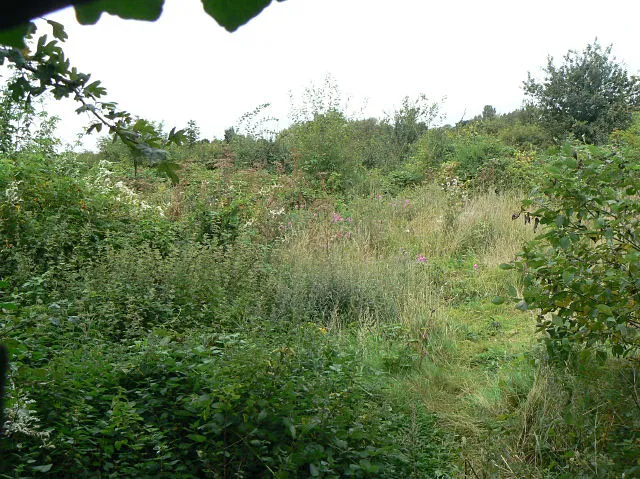
Photo: Alan Murray-Rust, CC BY-SA 2.0, via Wikimedia Commons
There is a particular kind of optimism that lives in a garden shed. It smells of compost and old twine, and it convinces sensible people that anything in a paper packet can be coaxed into life by a sunny windowsill. Hemp seed packets fit that mood perfectly: tough little seeds, a useful-sounding plant, and a whiff of controversy that makes them more interesting than another row of radishes. The trouble is that hemp is not just a plant with good PR. In the UK, growing it sits behind a licensing system, and the packet in your hand is not a permission slip.
The plant is cannabis. The law is about the licence
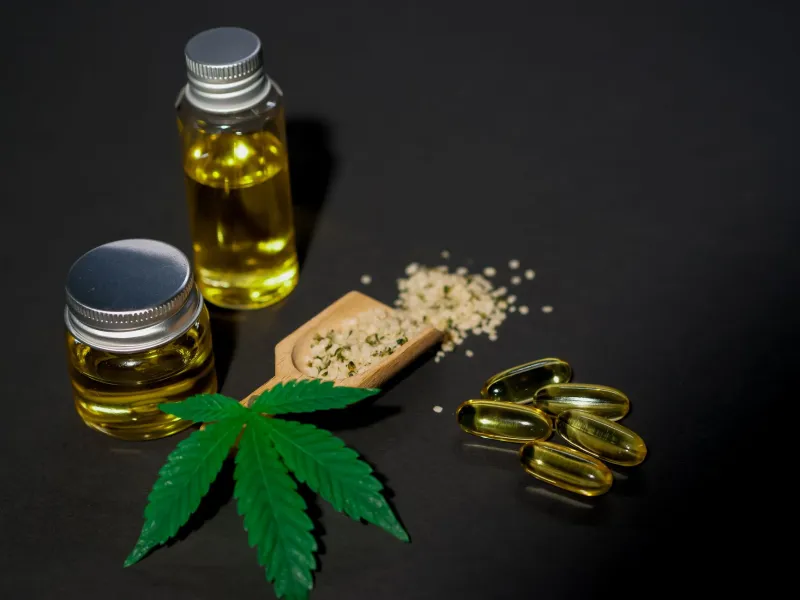
Industrial hemp and the cannabis people argue about in pub gardens are the same species, Cannabis sativa. What separates them in practice is not the word on the label but the plant's tetrahydrocannabinol content and, more importantly, whether someone has a licence to cultivate it. Under the Misuse of Drugs Act 1971, cultivating cannabis plants is a controlled activity. The Home Office issues licences for industrial hemp, usually for low-THC varieties grown for fibre, seed or similar purposes. Those licences come with conditions: approved varieties, record-keeping, inspections and a clear reason for the crop. It is not a form you fill in because you fancy a hemp hedge.
This is where garden-centre logic goes wrong. A packet described as hemp, or sold among bird food or ornamental seeds, does not create a little legal bubble around your raised bed. Germinating it can still amount to cultivation. The seed itself may be legal to sell as food or feed, but that is a different question from sowing it. "Not for germination" on a packet is a marketing and compliance line, not a magic shield. If you are standing in a potting shed with a trowel, the relevant question is whether you have the right to grow that plant, not whether the packet looked innocent at the till.
Seed catalogues are not a loophole
Hemp varieties sold for agricultural use in the UK generally need to be on an approved list, with low THC and traceable seed. That is why proper hemp growers talk about variety names, seed invoices and field declarations rather than vague packets from an online marketplace. A listing that says "CBD seeds" or shows a glossy plant photograph is not evidence that the seller has navigated UK rules, or that you can. Some packets are aimed at collectors, some at bird-feed buyers, some at people who enjoy the idea of a rebellious window box. None of those categories gives a gardener a cultivation licence.
There is also a quiet issue of scale. A single plant on a balcony may look trivial, but the law does not operate on a vibe. It operates on activity and evidence. If a plant is identified as cannabis, the conversation with police is unlikely to begin with how nice the compost was. That is not a reason to panic about every seed in the kitchen cupboard; hemp hearts for porridge are a food product and a perfectly ordinary one. It is a reason to keep the growing question separate from the eating question.
Allotments have a third rulebook
Even if you believe you have some route to licensed cultivation, an allotment adds another layer. Council tenancy agreements and site rules often prohibit cannabis cultivation, and many do not bother to distinguish between industrial hemp and anything else. Some plots are managed by associations with their own constitutions and nervous insurers. A licence from the Home Office would not automatically override a tenancy condition, and it certainly would not win you friends if the neighbouring plot-holder spends their weekends peering over the fence.
If you are genuinely exploring a licensed crop, ask the site secretary and the council in writing before you sow anything. Keep the answer. Do not rely on "everyone does it" or on a fellow gardener's cousin who once grew a field in Lincolnshire. Allotment committees are not known for their love of ambiguity, and a polite email now is cheaper than a dispute later.
What a licence actually asks of you
A Home Office industrial hemp licence is not a hobby permit. Applications tend to require details of the variety, the land, the area to be grown, the intended use and the arrangements for storage and disposal. Inspections can happen. Records matter. The point is to keep low-THC crops traceable and to stop the licensing system being used as a fig leaf for something else. For most UK gardeners, the honest conclusion is that this is a field-scale or research-scale process, not a Saturday-morning project between pruning the roses and putting the kettle on.
If you simply want hemp in your gardening life
There are ways to explore hemp as a plant without turning your plot into a legal test case. Hemp-agrimony, Eupatorium cannabinum, is a native wildflower with deeply divided leaves and a distinctly hemp-ish silhouette. It likes damp ground, feeds pollinators and raises no eyebrows with the council. Flax and linseed give you fibre, flowers and a useful seed crop without the same legal fog. Nettles are a fibre plant too, if you are prepared to wear gloves and lose a little dignity. And if your interest is really in hemp as a material, buy UK-grown hemp fibre, yarn or paper, or visit a licensed farm open day and ask the questions there.
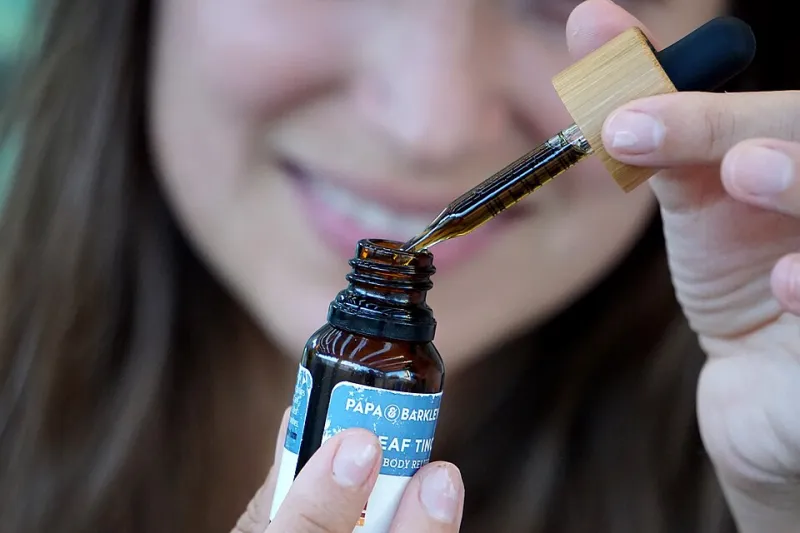
For the kitchen, hemp hearts and hemp oil remain the easy, ordinary route: food, not farming. For the garden, the neatest option is often to enjoy the look of hemp without pretending the seed packet is a licence. Leave the packet in the shed. Grow the agrimony. Put the kettle on. The law, for once, is simpler than the plant catalogue.