Kettle On, Dropper Out: A Sensible Test of CBD Oil in Hot Drinks
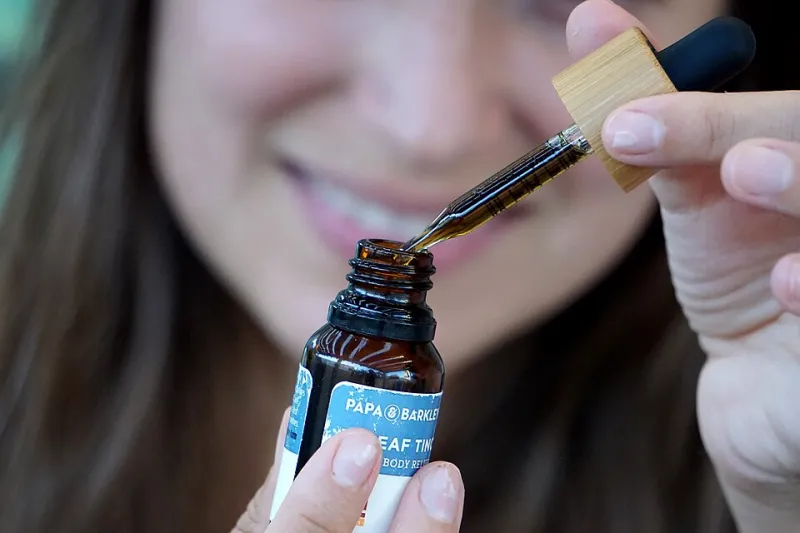
Photo: elsaolofsson, CC BY 2.0, via Wikimedia Commons
There is a particular British instinct that says if a thing can be consumed, it can probably be consumed in a mug of tea. CBD oil has arrived in kitchen cupboards alongside the teabags, and plenty of product labels gently suggest stirring a few drops into a hot drink. So does it work? The short answer is: it can go in, but it does not behave like a spoon of sugar. If you want a reliable dose, a decent-tasting brew and no oily film on your favourite mug, you need to understand what is happening in the cup.
The brew test: what actually happens in the mug
CBD oil is fat-soluble. Tea is mostly water. Those two facts do most of the work here. When you add a dropper of oil to a hot brew, you are not dissolving CBD into the tea; you are dispersing droplets of oil through it. Stirring helps for a moment, but the oil tends to gather on the surface, cling to the side of the mug and leave a slick ring behind. Some of it will end up on your lips or the spoon. That matters if you are trying to take a consistent amount.
Temperature is less dramatic than some wellness content suggests. CBD does not need to be activated by the heat of your tea; the decarboxylation step, where CBD is available in the plant material, happened during extraction. A hot drink may make the oil slightly more fluid and easier to stir in, but it will not turn oil into a water-soluble ingredient. Very hot water can affect the aroma of the tea and the taste of the oil, but the bigger issue is physical: oil and water do not mix. Coffee behaves much the same. The natural oils in coffee might help a little with mouthfeel, but they do not create a proper emulsion. Herbal teas, green tea and delicate blends are less forgiving because there is less flavour to hide behind.
Taste, texture and the biscuit question
Hemp-derived CBD oil often tastes grassy, earthy or slightly peppery. Some products are flavoured; many are not. In a strong breakfast tea with milk, the taste can disappear reasonably well. In a light jasmine tea, it will not. Coffee masks it more effectively, though the oily texture can still sit on top of the drink. A biscuit does not fix the physics, sadly. It just adds crumbs.
The carrier oil matters too. Many CBD oils use MCT oil, hemp seed oil or olive oil. MCT is light and relatively neutral; hemp seed oil brings its own nutty, green flavour. If the taste is the main reason you are reaching for the mug, ask whether you actually like the product. CBD should not have to be smuggled into a drink. If it ruins the brew, that is useful information.
Emulsification: why milk isn’t a magic fix
A splash of milk can make the drink look more combined, and milk proteins can act as weak emulsifiers, but a normal brew is not a stable emulsion. The oil will still separate. Honey does not emulsify oil either, despite what some social posts imply. If you want a CBD product that mixes more readily into water-based drinks, look for a properly formulated emulsion or “water-soluble” CBD. That phrase is a bit of marketing shorthand: the CBD has been processed into tiny droplets that disperse in water, rather than becoming genuinely soluble. Even then, follow the label and measure carefully.
CBD-infused tea bags are a different product entirely. They usually contain dried hemp material rather than CBD oil, and the amount of CBD that ends up in the cup can be variable. They are not a like-for-like swap for a measured oil. If you are comparing products, compare the actual CBD content per serving, not the word “hemp” on the box.
Dosing discipline: the teaspoon problem
The biggest practical problem with CBD in tea is not temperature. It is measurement. A dropper is designed to deliver a known number of drops or millilitres; a mug is not. If you squirt oil into a brew, stir it half-heartedly and leave the last mouthful because it tastes odd, you have no real idea how much you took. That is not a sensible way to build a routine.
Use the marked dropper, note the dose and keep a simple record if you are trying to work out whether CBD suits you. The UK’s Food Standards Agency advises healthy adults not to take more than 70mg of CBD per day, and that is a ceiling, not a target. Start low, read the label, and do not stack several CBD products because each one seems small. If you are pregnant or breastfeeding, have liver problems, take prescription medicines or are unsure, speak to a GP or pharmacist before using CBD. CBD can interact with some medicines, including certain antidepressants, epilepsy medicines and blood thinners.
What the evidence says—and what it doesn’t
The strongest evidence for CBD as a medicine relates to licensed products used for rare forms of childhood epilepsy. Outside that, research into CBD for anxiety, sleep and general wellbeing is interesting but still limited, with small studies and mixed results. There is no solid evidence that adding CBD to tea improves absorption, and no evidence that a hot drink makes CBD work faster. The ritual of making tea may feel calming; that is the tea, the pause and the familiarity, not proof of a clinical effect.
In the UK, CBD products sold on the high street are generally treated as food supplements, not medicines. That means they cannot make claims to treat, prevent or cure illness. Be wary of any brew-based routine that promises to fix anxiety or replace proper support.
The verdict: a sometimes treat, not a daily default
CBD oil can go into tea. It will not poison the cup, and some people will not mind the taste or the oily film. But if you want consistency, a standard oil is better taken on its own, measured from the dropper, rather than floated on a brew and hoped for. A water-soluble format may mix more neatly if you really want a drink. Keep the tea as tea; keep the CBD as a measured product. The great British cuppa has enough to do without becoming a wellness stunt.