When the Lamps Come On at Four: CBD, Winter Mood and the Limits of a Calm Claim

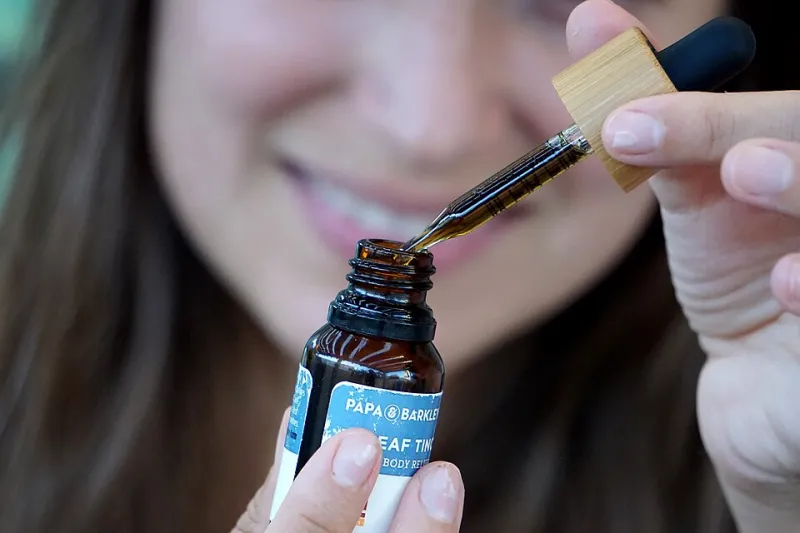
Photo: dark winter afternoon window with warm lamp and CBD oil bottle on side table in UK home, via image.tmdb.org
November has a way of making the UK feel smaller. By the time the clocks have gone back and the afternoon has folded into dusk, the kettle is on earlier, the lamps are doing more work and the word “calm” starts appearing on every other product in the shop. In November 2026, CBD is firmly part of that winter wellness shelf: oils, gummies, drinks and balms, many of them marketed with soft-focus promises about balance and seasonal resilience. It is worth asking, plainly, what hemp-derived CBD can and cannot do for winter mood.
The season of early dusk
The UK’s winter darkness is not a minor inconvenience. For some people it is a trigger for seasonal affective disorder (SAD), a type of depression that follows a seasonal pattern. For many more, it brings a milder set of winter blues: low energy, a pull towards carbohydrates, disturbed sleep and a general flatness that lifts as the days lengthen. The causes are not fully understood, but reduced daylight, disrupted body clocks and changes in routine all play a part. The fix is not usually a single product. It is a combination of light exposure, sleep, movement, social contact and, for some, professional support.
That context matters because CBD is often sold as if it were a mood switch. It is not. CBD is a cannabinoid found in hemp. In the UK it is generally sold as a food supplement, not a licensed medicine, and it is not approved to treat SAD, depression or anxiety. That does not mean it is worthless; it means the claims should be modest. The evidence for CBD in anxiety and sleep is preliminary, with small studies and mixed findings. There is no good evidence that CBD treats seasonal mood dips specifically. Anyone who tells you otherwise is selling something, possibly a very nice amber bottle.
Why the “winter calm” pitch lands
CBD brands are not stupid. Winter is when people feel the need for comfort, ritual and a sense of control. A dropper is a small, tidy ceremony: a few drops under the tongue, a moment of pause, a promise that you are looking after yourself. That ritual can be genuinely pleasant. The problem comes when the ritual is asked to carry more weight than it can bear. If a CBD product becomes the main plan for low mood, or a reason to delay getting help, the calm claim has done harm.
UK consumer habits have shifted too. CBD is no longer a niche headshop purchase; it sits in pharmacies, health food shops and online baskets alongside vitamin D and magnesium. The market is crowded, and the language is soft. “Balance”, “reset”, “seasonal support” and “calm” are marketing terms, not clinical outcomes. None of that makes the products bad. It just means you have to read the label and keep your expectations level.
A reasonable routine if you choose CBD
If you already use CBD and tolerate it, winter is not a reason to abandon all discipline. Keep the dose consistent, use a product with clear labelling and stick to one product rather than layering oils, gummies and drinks. The FSA’s 70mg daily advisory for healthy adults is a ceiling, not a challenge. Note how you feel, but do not expect a dramatic shift in mood after one dropper. CBD is not a quick fix, and the placebo effect is real; that is not an insult, but it is a reason to be honest with yourself.
Check interactions if you take prescription medicines. CBD can affect how some drugs are metabolised, including certain antidepressants, epilepsy medicines and blood thinners. If you are pregnant or breastfeeding, avoid CBD unless a healthcare professional advises otherwise. And if you are using CBD to cope with persistent low mood, set a review point. Give it a couple of weeks, ask whether it is genuinely helping, and be willing to stop. A product that makes you feel vaguely calmer but keeps you from addressing the cause is not a bargain.
The limits: when to seek proper support
This is the part that no glossy winter campaign likes to include. If low mood lasts most of the day, nearly every day, for more than two weeks, or if you lose interest in things you normally enjoy, notice big changes in sleep or appetite, feel hopeless or have thoughts of self-harm, that is a signal to speak to a GP. SAD and depression are treatable. Talking therapies, light therapy for seasonal patterns, medication and lifestyle support are all options a clinician can discuss. CBD is not a substitute for any of them.
If you feel at immediate risk, contact emergency services or go to A&E. In the UK, Samaritans can be reached on 116 123, and NHS 111 can direct you to urgent mental health support. Those routes exist for a reason. A dropper is not a crisis service.
The calm you can actually build
The irony is that the most reliable winter mood support is unglamorous. Get outside in daylight, ideally in the morning, even when it is grey. Keep a regular sleep and wake time. Move your body in a way you do not dread. Stay connected to people, especially on the dark evenings. Use lamps to make your home feel habitable, not to replace the sun. If CBD helps you enjoy a quiet half-hour, fine. Just do not ask it to be the dawn.
Winter will still be dark. The goal is not to pretend otherwise; it is to build a routine that holds up when the lamps come on at four. CBD can be a small part of that if it earns its place. It cannot be the whole plan.