The Bedside Table Audit: CBD, Sleep and the 3am Reality Check
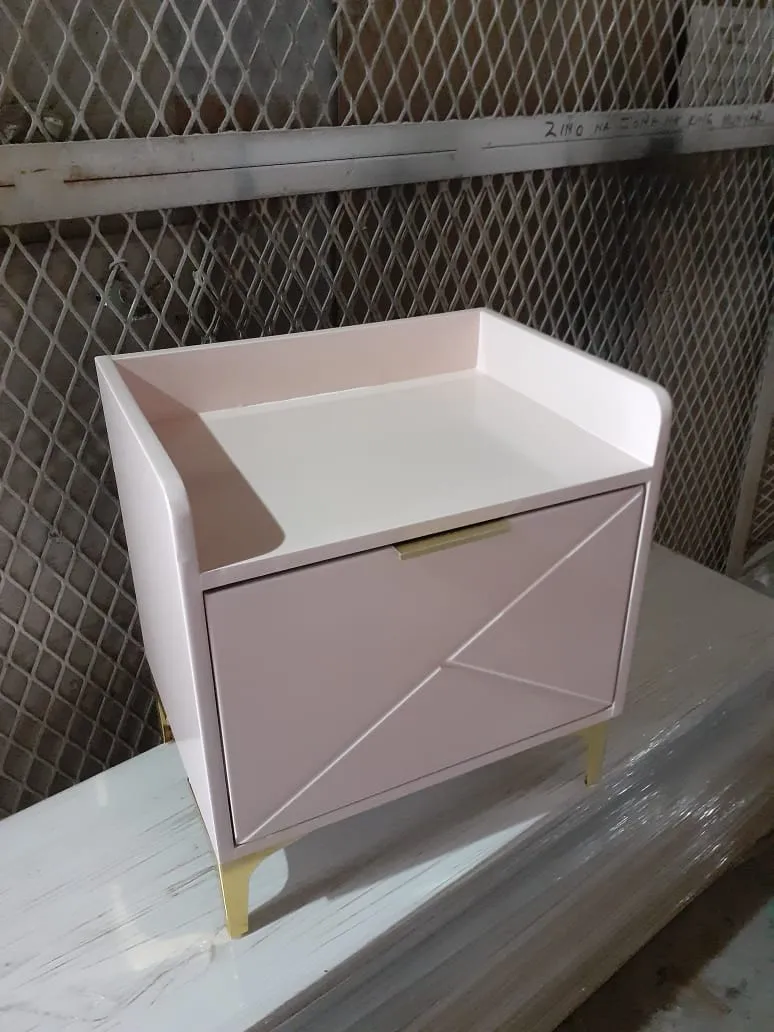
Photo: Coster Snowbird, CC0, via Wikimedia Commons
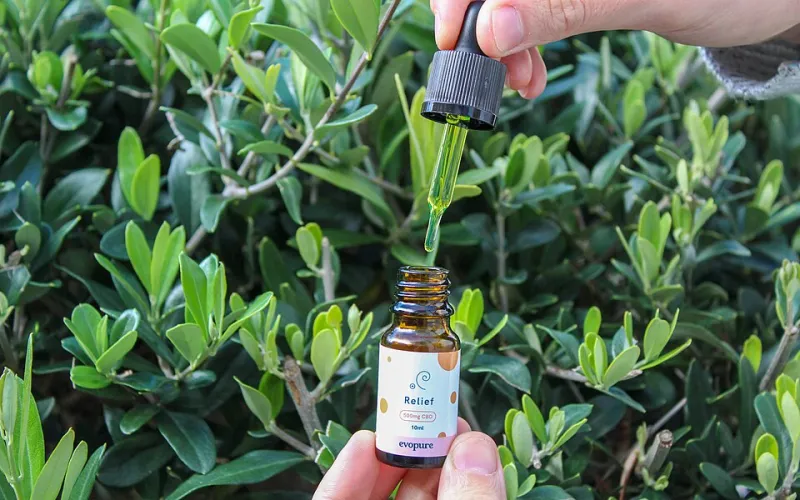
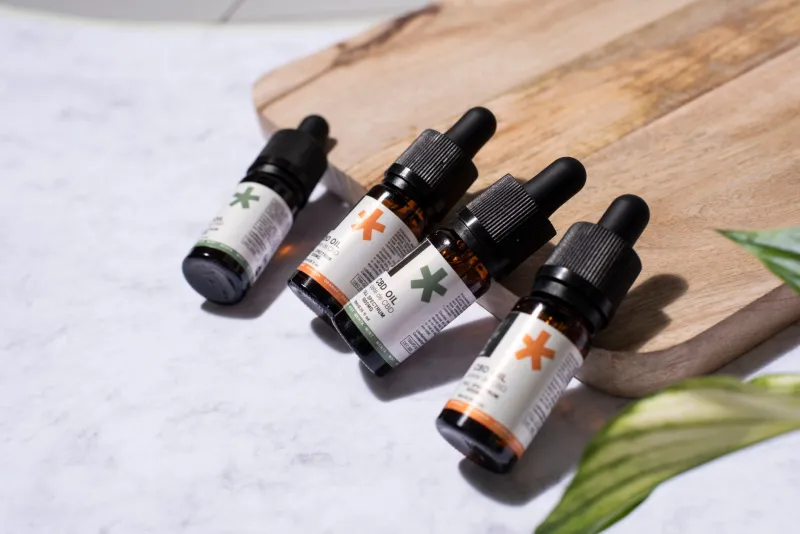
It is 3:07am. You are awake, your brain has decided to replay a conversation from Tuesday, and your bedside table is a small museum of things that were supposed to help. There is a phone, a half-empty glass of water, a pot of magnesium cream, a book you have not opened and, increasingly, a bottle of CBD oil. This is not an article telling you that the dropper will fix your sleep. It is an audit of the table itself.
Why CBD gets invited to the sleep conversation
CBD is discussed in relation to sleep because it interacts with the endocannabinoid system, a network of receptors and chemical messengers involved in lots of ordinary body functions. That sounds impressive, and it is genuinely interesting. But it is not the same as saying CBD is a sleeping tablet. The research is still limited, much of it is small or preliminary, and the evidence is not strong enough to make sweeping promises about insomnia.
In the UK, CBD oils are generally sold as food supplements rather than medicines. That means they should not make medicinal claims about treating insomnia or any other condition. If a label tells you it will “cure” your sleep problems, treat that as marketing rather than medicine. A responsible product should tell you what is in the bottle, how much CBD it contains and how to use it sensibly.
Start with the bedside table, not the bottle
Before you buy anything new, look at what is already within arm’s reach. The phone that glows at 2am. The clock you check every eleven minutes. The water you drink at midnight and then blame for the 4am trip to the bathroom. The supplements you take inconsistently. The stack of things that were meant to create a calm routine but have somehow become another job.
A bedside table should make sleep easier, not more complicated. If it is cluttered with half-finished experiments, tidy it. Keep the water, keep the book, and move the phone across the room if you can. A simple table is a small signal to your brain that the day is done.
Read the label before you read the clock
CBD labels can be confusing. Check whether the milligram figure refers to the whole bottle or per millilitre. A 10ml bottle containing 1,000mg of CBD is 100mg per millilitre. A 0.5ml dropper of that oil would contain around 50mg. That is not a recommendation; it is just label maths. The point is to know what you are actually taking rather than guessing from the front of the box.
The label should also tell you the carrier oil, any flavourings, the batch number, the best-before date and the recommended use. Look for clear directions and a UK contact address. If you take medication, are pregnant or breastfeeding, or have a health condition, speak to a pharmacist or GP before adding CBD to your routine. CBD can interact with some medicines, and that is not a small print issue.
Timing is a routine question
People often ask what time to take CBD for sleep. Some take it 30 to 60 minutes before bed; others prefer earlier in the evening. There is no universally perfect minute. What matters more is whether you are using it consistently, whether you are actually noting how you feel, and whether you are expecting it to outweigh four espressos and a doomscroll.
If you are trying CBD, keep the rest of your evening steady for a week or so. Take it at the same sort of time, follow the label, and do not keep topping up because you have not felt anything yet. More is not automatically better. A calm routine is built from repetition, not escalation.
The things that matter more than the dropper
Caffeine is a good place to start. Its effects can linger for hours, so an afternoon coffee can still be tapping you on the shoulder at midnight. Alcohol may help you fall asleep, but it often fragments the second half of the night. A heavy late meal, a hot bedroom and a bright screen are all classic sleep thieves.
Try a caffeine cut-off in the early afternoon. Dim the lights an hour before bed. Keep the bedroom cool and dark. Go to bed and get up at roughly the same time, even at the weekend. Get some daylight in the morning. These are unglamorous suggestions, which is probably why they get less attention than a dropper bottle.
A seven-night bedside experiment
For the first two nights, change nothing. Just note when you go to bed, roughly how long it takes to fall asleep, how many times you wake and how you feel in the morning. For the next three nights, make one change: move the phone away from the bed, set a caffeine cut-off, or dim the lights earlier. If you already use CBD, keep the dose and timing steady rather than changing everything at once. On the final two nights, review your notes.
The aim is not to prove that CBD works or does not work. It is to see whether your bedtime routine is doing you any favours. If nothing changes, you have learned something useful. If something helps, you have a clue worth keeping.
When the dropper is not the answer
If you have persistent trouble sleeping, loud snoring, restless legs, low mood or overwhelming daytime tiredness, speak to a GP or pharmacist. Sleep problems can have many causes, and some need proper assessment. CBD is not a substitute for that conversation. Nor is it a reason to ignore a medication interaction or a worsening symptom.
The 3am verdict
Your bedside table is a mirror of your evenings. CBD may deserve a small place on it, but it should not be the main character. Read the label, keep the dose steady, watch the caffeine and give the simple stuff a fair go. The goal is not a perfect night’s sleep every night. It is a calmer, more honest routine — and fewer 3am debates with yourself about whether to try another drop.