The Sunday Roast Q&A: Explaining CBD Without Turning Dessert Into a Debate
Photo: Chris , CC BY-SA 2.0, via Wikimedia Commons
Sunday lunch is not really a meal. It is a small piece of national theatre: too many chairs, one oven working overtime, and at least one relative who has decided today is the day to ask about your CBD oil. You wanted roast potatoes. You got a kitchen-table seminar.
The good news is that you do not need to become a hemp expert between the starter and the main. You just need a few calm lines, a bit of boundary-setting and the ability to pass the gravy before the conversation curdles.
Start with the gravy, not the chemistry
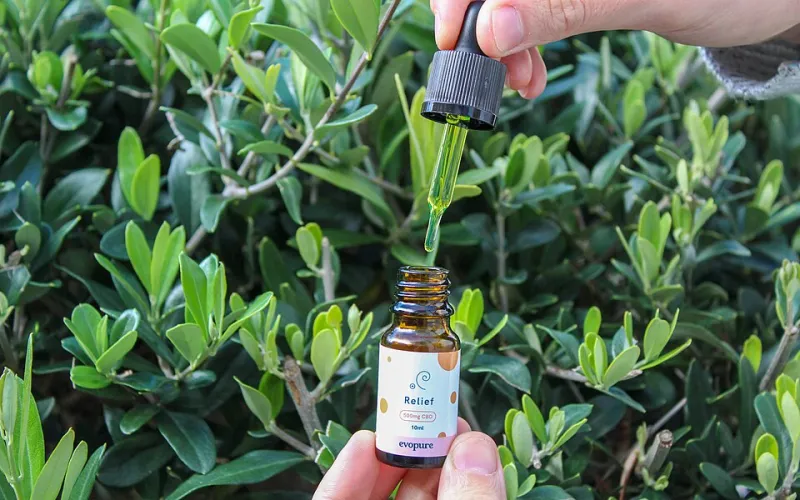
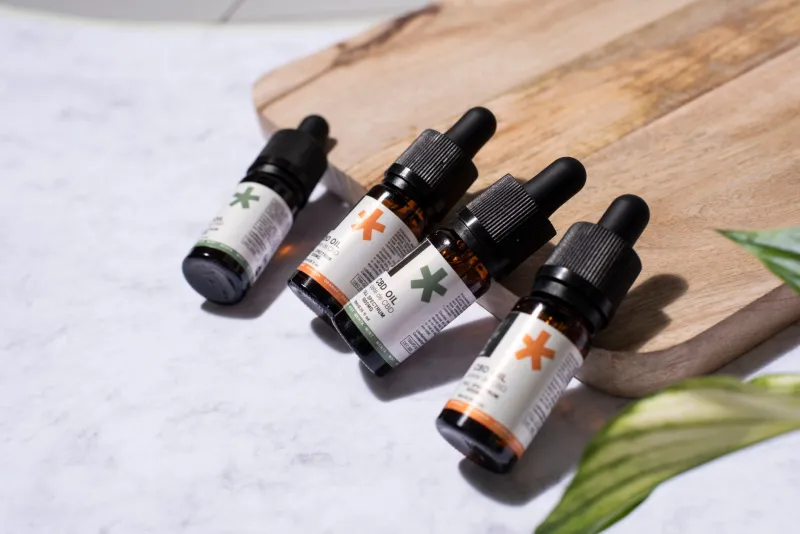
When someone spots a dropper bottle by your plate, the temptation is to launch into a full explanation of plant compounds, extraction methods and the difference between hemp and marijuana. Resist it. At a family lunch, the best answer is the short one.
Try something like: 'It’s a hemp-derived CBD product. I use it as part of my routine, and it’s not a medicine.' That gives people the headline without inviting a lecture. If they want more, they will ask. If they do not, you can get back to discussing whether the carrots need another five minutes.
In 2026, CBD is easy to find on UK high streets and online, which means more people have seen it but fewer people have actually read a label. A plain-English answer is usually more useful than a deep dive.
The four questions you will probably get
Most family questions fall into four familiar buckets. Having a short answer ready makes the whole thing feel less like an interrogation and more like passing the salt.
'Is it legal?'
In the UK, CBD products are generally sold as food supplements or cosmetics rather than medicines. A reputable seller should have clear labelling, sensible dosage information and no wild medical claims. You do not need to deliver a regulatory briefing over the roast lamb. 'It’s sold as a food supplement in the UK, and good brands are clear about what’s in the bottle' is enough.
'Will it get me high?'
No. CBD is not the same thing as THC, the compound associated with the high from cannabis. Hemp-derived CBD products sold in the UK should be made to strict limits, and a good label will tell you what you are actually buying. Keep it simple: 'CBD doesn’t get you stoned. It’s not that kind of product.'
'Does it cure anything?'
This is where the conversation can go from chatty to clinical very quickly. Do not make medical claims, even ones you have seen on the internet. CBD is not a cure-all, it is not a replacement for prescribed treatment, and it is not something to recommend to Auntie Margaret because her knee has been playing up.
A useful line is: 'I’m not going to make health claims about it. If someone is on medication or has a health condition, they should speak to a pharmacist or GP.' That is clear, responsible and it closes the door on the sort of debate that ruins a good plate of food.
'How much do you take?'
Dosage is personal, and the answer is not a family-lunch talking point. You can say: 'I follow the label and keep it simple. It’s not something I’d guess at for someone else.' If they push, repeat the line. Repetition is not rude; it is just a boundary with better manners.
Boundaries that keep the table friendly
You are allowed to enjoy your lunch without defending every hemp product on the market. A few phrases help:
- 'I’m happy to explain what’s on the label, but I’m not going to give medical advice over roast potatoes.'
- 'That’s a better question for a pharmacist than for me.'
- 'I’d rather not turn lunch into a clinical trial.'
- 'Let’s park the deep dive and see if there’s room for pudding.'
If someone wants an argument, you do not have to attend. Family gatherings often have one person who enjoys a debate more than dessert. You can be pleasant, brief and unavailable for the main event.
If you are the one bringing CBD to lunch
A little consideration goes a long way. Ask the host before adding anything to shared food or drinks. Keep products in their original packaging so the label is visible. Do not dose other people’s gravy, no matter how much you like them. Keep anything with CBD away from children and pets, and do not pass it round like a packet of mint imperials.
If you are using a dropper, use it discreetly and according to the label. If you are bringing a balm or a hemp food product, say what it is before it goes on the table. Most awkwardness comes from surprises, not from the product itself.
The plain-English script for Nan, Auntie and Uncle Dave
Sometimes one tidy sentence does the job: 'It’s a hemp product I use as part of my routine. It’s not a medicine, it doesn’t get you high, and I’m not recommending it to anyone else.'
If someone asks whether it will help with a specific health problem, keep the answer neutral: 'I can’t say that. If you’re thinking about trying it, check with a pharmacist or your GP first, especially if you take medication.'
If they ask why you use it, you can keep that private: 'It’s just part of my routine. Nothing dramatic.' You are not obliged to share your health history with the entire table.
Dessert is the off-ramp
Eventually, the plates will be cleared, someone will mention the washing up, and the conversation will move on to something safer, like property prices or the correct way to load a dishwasher. Let it. You do not need to win the CBD debate. You just need to get through lunch without turning into a leaflet.
Pass the gravy. Answer the question. Keep the medical claims out of it. Then see if there is trifle.